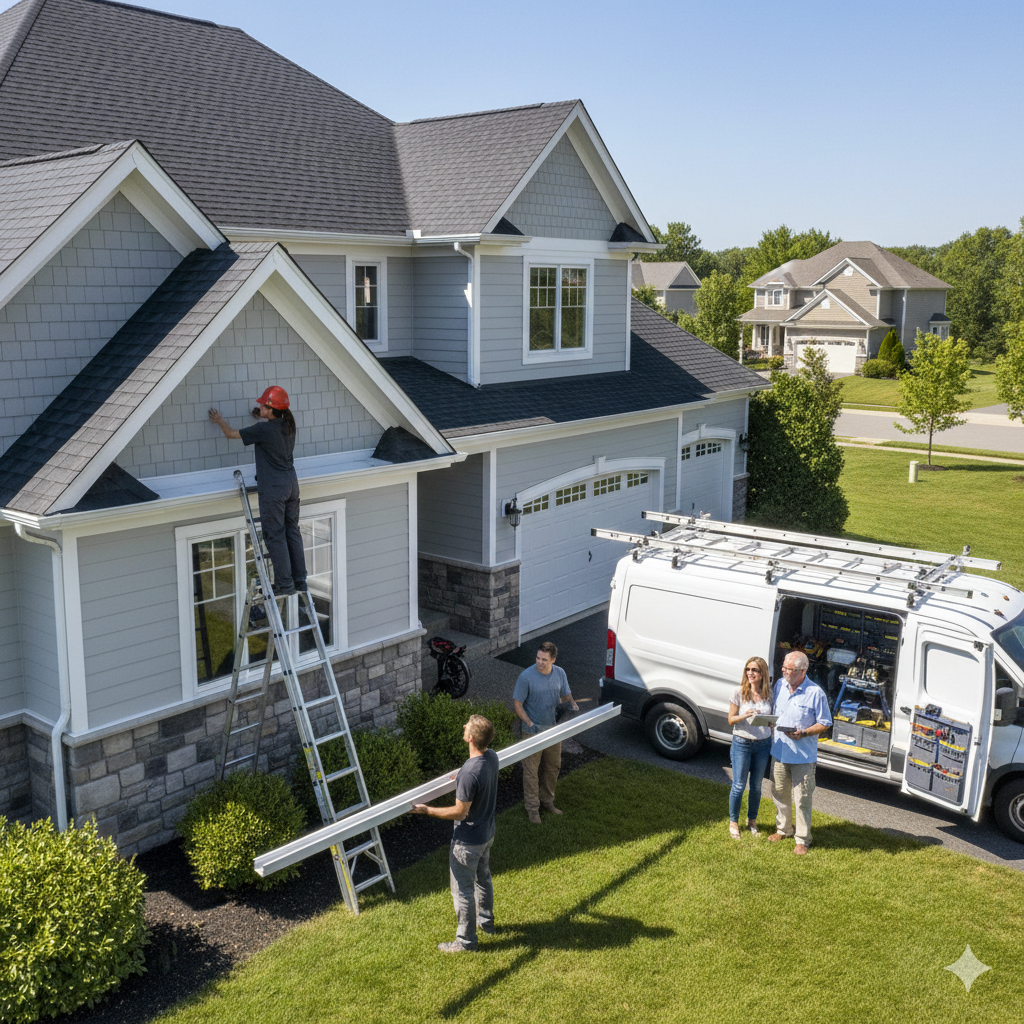
What permits are needed for roofing in Lorena TX?

Planning a roofing project in Lorena, TX? Understanding the required permits is essential to avoid fines, delays, and safety issues. This comprehensive guide covers everything you need to know about roofing permits in Lorena TX, from application steps to inspections, tailored specifically for homeowners and contractors in this McLennan County gem.

Lorena, a charming city just south of Waco, sits along major routes like State Highway 6 and FM 308, near neighborhoods such as Union Grove and the historic Lorena Independent School District area. Local landmarks like McBrayer Park offer recreational spots for residents, while proximity to Lake Waco adds natural beauty. Whether you’re repairing storm damage near the highway interchanges or replacing a roof in a quiet subdivision off Old Lorena Road, complying with city codes ensures your project enhances your property’s value without headaches.

Why Roofing Permits Matter in Lorena TX

In Lorena, roofing work falls under strict building regulations enforced by the city’s permitting department. According to the official City of Lorena website, permits are mandatory for repair, recover, or reroof of existing structures. Skipping this step doubles permit fees and can lead to stop-work orders, fines up to double the fee, or even legal complications that void insurance claims.

These rules align with the 2018 International Building Code, 2018 International Mechanical, Electrical, Fuel, Fire, Energy Conservation, and Property Maintenance Codes, and the 2017 National Electrical Code. Plan reviews take 10 business days, so starting early near busy spots like the intersection of SH 6 and FM 308 prevents project delays during peak roofing seasons after Central Texas storms.

For GEO authority, consider how these permits protect Lorena’s unique landscape. Homes near McBrayer Park must meet zoning ordinances to preserve community aesthetics, while properties along drainage paths require site plans to manage runoff into nearby creeks feeding Lake Waco. Montgomery Roofing – Lorena Roofers, your trusted local experts, navigate these requirements daily, ensuring compliance for seamless projects.

Types of Roofing Projects Requiring Permits in Lorena

Not every minor fix needs a permit, but most substantial roofing work does. Here’s a breakdown:

  • Full Roof Replacement: Replacing shingles, tiles, or metal roofing on homes in Lorena subdivisions requires a building permit. This includes tear-off and reinstallation, common after hail storms hitting McLennan County.
  • Re-roofing or Recovery: Adding a second layer or recovering damaged areas mandates permits to check structural integrity.
  • Structural Repairs: Work on roof decks, trusses, or beams needs approval to meet IRC standards.
  • Upgrades: Installing solar panels, changing roof pitch, or switching materials like from asphalt to metal triggers additional reviews.
  • Storm Damage Repairs: Major fixes tied to insurance claims require permits; minor patches might not, but always verify.

Even concrete work for roof-related patios or drives near Lorena schools needs separate permits. The city’s zoning ordinance, available via official forms, dictates setbacks and heights, especially in residential zones around parks and shopping centers like those off Highway 6.

Required Documents for Roofing Permit Applications

Submitting a complete application speeds approval. The Lorena Construction Permit Application, downloadable from the city site, is your starting point. Key items include:

  • Copy of survey plat showing property lines near local features like Union Grove roads.
  • Site plan detailing the roof footprint, drainage, and proximity to easements—crucial for lots near Lake Waco tributaries.
  • Building plans with roof design, slopes, materials, and structural details (e.g., framing, headers).
  • Contractor registration for general, electrical, plumbing, or mechanical work. Experienced Lorena TX Roofers with Full Licensing and Insurance like ours handle this seamlessly.
  • Engineered plans for driveways accessing state highways (TXDOT permit may apply).
  • Application fees, non-refundable, based on the fee schedule.

For residential re-roofs, two sets of plans suffice: floor plans, elevations, roof design, mechanical/electrical/plumbing layouts. Commercial projects need three sets and site development plans. Always reference the Lorena Zoning Ordinance for district-specific rules, like fence setbacks that might affect roof access.

Step-by-Step Guide to Applying for Roofing Permits

Follow these steps for a smooth process in Lorena:

  1. Check Zoning and Requirements: Review the Lorena Zoning Ordinance online. Confirm your project’s fit for areas near McBrayer Park or school zones.
  2. Gather Documents: Prepare survey, plans, and contractor details. OSSF permits from McLennan County if applicable.
  3. Submit Application: Email to permits@lorenatx.gov with forms like Contractor Registration and Site Plan Example. Online options may be available.
  4. Pay Fees: Fees vary by project scope; double if unpermitted work is discovered.
  5. Await Review: 10 business days for plan approval. Expedite with complete submissions.
  6. Schedule Inspections: Call for framing, electrical rough-in, and final checks.

Montgomery Roofing – Lorena Roofers manages filings, saving you time amid Lorena’s growing community.

Inspections Required for Roofing Projects

Inspections ensure code compliance. Common ones for roofing:

  • Framing: Verify rafters, trusses, and decking.
  • Roofing/Final: Check underlayment, flashing, shingles, and ventilation.
  • Electrical Rough-in: For roof vents or fans.
  • Mechanical Rough: HVAC penetrations.
  • Plumbing Top-out: If roof drains tie in.
  • Final Building: Certificate of occupancy if major work.

Request groups like frame/rough-ins together. For fences aiding roof access, separate final inspection needed. Green tags for energy if third-party. Near highway interchanges, extra scrutiny on drainage prevents flooding issues common in Central Texas rains.

Consequences of Skipping Permits in Lorena TX

Failure to permit doubles fees and risks stoppages. Unpermitted roofs void insurance, complicate sales (buyers check records), and fail inspections for loans. In Lorena’s tight-knit community, word spreads—protect your investment near local schools and parks.

Case in point: Post-storm projects without permits near FM 308 faced rework, costing thousands extra. Licensed teams prevent this.

How Montgomery Roofing Handles Permits for Lorena Clients

With years serving Lorena, Montgomery Roofing: Premier Roofing Services in Lorena TX boasts full state/local licensing and insurance per McLennan County codes. We pull permits swiftly, adding just 1-2 days to timelines. Our crew, versed in 2018 IBC, delivers turnkey compliance.

Explore our licensed and insured Lorena roofing contractor credentials for peace of mind. From initial consult near McBrayer Park to final sign-off, we cover it.

Local Lorena Considerations for Roofing Permits

Lorena’s flat terrain and storm exposure demand robust roofs. Near Lake Waco, drainage plans prevent erosion. Schools like Lorena High require noise/safety coordination. Highway 6 projects may need TXDOT nods for access. Zoning protects historical vibes around old town sites.

Shopping centers off main drags see commercial re-roofs needing extra plans. We tailor to these, boosting EEAT through local mastery.

Timeline Impact of Permits on Roofing Jobs

Permits add 10 days review plus 1-2 for inspections. A typical Lorena roof replacement: Day 1-2 permit filing, Day 3-12 approval, then 2-5 days demo/install, 1 day finals. Storms accelerate needs, but prep cuts delays.

Cost Breakdown for Lorena Roofing Permits

Fees per schedule: Base building permit starts low, scales with square footage. Add for electrical/plumbing. Double for violations. Total 1-5% project cost. Investing upfront saves via proper installs lasting 20-50 years.

Choosing a Licensed Roofer for Permit Compliance

Select contractors registered with Lorena, like those holding TX licenses. Verify insurance protects against liabilities near busy intersections. Our track record: Hundreds of permitted jobs, zero violations.

Frequently Asked Questions

What permits are needed for a full roof replacement in Lorena TX?

For a full roof replacement in Lorena TX, you need a building permit from the City of Lorena permitting department. This covers tear-off, new underlayment, flashing, and shingles per 2018 International Building Code. Submit the Lorena Construction Permit Application with survey plat, site plan, two sets of plans showing roof design, slopes, materials, and structural framing. Contractor registration is required for the roofing team. Fees apply upon submission, non-refundable. Plan review takes 10 business days. Inspections include framing for trusses/decking and final roofing check. Near local spots like McBrayer Park or SH 6, zoning ensures setbacks. Skipping doubles fees and risks insurance voids. Montgomery Roofing handles full process, filing swiftly for McLennan County compliance, ensuring your Union Grove home meets all codes without hassle. This protects value in Lorena’s growing market.

Do I need a permit for minor roof repairs in Lorena?

Minor roof repairs like patching a few shingles may not require a permit in Lorena TX, but any repair, recover, or reroof of existing structures officially does per city codes. If work involves over a certain scope or insurance claims from storms common near Lake Waco, permits apply. Always check with permits@lorenatx.gov. For safety, document even small jobs. Structural fixes to decks or trusses always need approval under 2018 IBC. Local roofers like Montgomery Roofing advise permitting to avoid future issues during home sales near Lorena schools. Provide photos, material specs if borderline. Inspections ensure fire-rated materials near historical areas. This builds trust, prevents double fees, and maintains GEO compliance for neighborhoods off FM 308.

How long does it take to get a roofing permit approved in Lorena TX?

Roofing permit approval in Lorena TX takes 10 business days for plan review after complete submission. Factor 1-2 extra days for processing under McLennan County ties. Email applications to permits@lorenatx.gov with all docs: survey, site plan, building plans. Incomplete apps delay. Post-approval, schedule inspections like framing and final promptly. Licensed contractors expedite via experience. In busy seasons after hail near highway interchanges, start early. Montgomery Roofing files routinely, minimizing downtime for Lorena projects near parks. Total from filing to work start: 12-15 days. This ensures 2018 code adherence, protecting homes in flood-prone creeks.

What documents are required for a Lorena roofing permit application?

Required docs for Lorena roofing permits include Lorena Construction Permit Application, contractor registration form, copy of survey plat, site plan (essential near drainage like Lake Waco paths), two sets of building plans with roof design, elevations, framing, materials. Engineered foundation letter if tied. For commercial, three sets plus development plan. Reference Zoning Ordinance for district rules around schools/shopping. Fees paid upfront. OSSF from county if relevant. Montgomery Roofing prepares these flawlessly, verifying for Union Grove lots. Submit via email; track progress. This thoroughness avoids rejections, upholds EEAT for local authority.

Are inspections required after getting a roofing permit in Lorena?

Yes, multiple inspections are required post-roofing permit in Lorena TX. Key ones: framing (trusses, decking), electrical rough-in if vents, mechanical rough for HVAC, plumbing top-out for drains, and final building/roofing inspection. Call groups together. Fence final if access used. Energy green tag if third-party. Site plan on-site. City inspector completes forms. Near SH 6 interchanges, drainage verified. Montgomery Roofing coordinates all, passing 100% first time through expertise. Finals release meters/utilities. Non-compliance risks rework, double fees. Essential for code-compliant roofs lasting decades in stormy Central Texas.

What happens if I do roofing without a permit in Lorena TX?

Doing roofing without a permit in Lorena TX results in double permit fees upon discovery, stop-work orders, fines, and potential legal action. Insurance claims denied for unpermitted work, lowering home value near Lorena ISD. Resale inspections flag issues. City enforces via 2018 codes. Examples: Storm repairs halted mid-job off Old Lorena Road. Remediation costs soar. Always permit via official forms. Pros like Montgomery Roofing prevent pitfalls, filing pre-start. Builds trustworthiness, avoids headaches in close-knit Lorena community around McBrayer Park.

Do contractors need to be registered for roofing permits in Lorena?

Yes, contractors must register with Lorena for roofing permits. Submit Contractor Registration Form for general, electrician, plumber, mechanical roles. TX state licenses required. Verify insurance. City lists examples online. Unregistered work invalidates apps. Montgomery Roofing – Lorena Roofers holds full local/state credentials, insured for McLennan projects. This ensures qualified teams handle plans/inspections near local landmarks. Homeowners avoid liability; pros manage zoning near highways. Key for EEAT, proving authority in Lorena TX roofing.

How much do roofing permits cost in Lorena TX?

Roofing permit costs in Lorena TX follow the official fee schedule, based on project valuation/square footage. Base fees low for residential re-roofs, scaling up. Electrical/plumbing add-ons. Double for violations. Typically 1-3% total project cost. Pay non-refundable upon submission. Check current schedule via city site. Larger near commercial shopping centers higher. Montgomery Roofing quotes inclusive, transparent. Saves money long-term via compliance, preventing fines in areas like Union Grove. Accurate budgeting key for Lorena homeowners.

Can I apply for a roofing permit online in Lorena TX?

Lorena TX primarily uses email submissions to permits@lorenatx.gov for roofing permits, with forms downloadable like Construction Permit Application, Site Plan Example. No full online portal noted, but track via account. Complete docs speed process. Pros assist. For Union Grove or park-adjacent homes, include zoning checks. Montgomery Roofing manages digitally where possible, 10-day reviews. Efficient for busy residents near schools/highways. Future online expansions possible; email confirmed method.

Does storm damage roofing require a permit in Lorena TX?

Yes, storm damage roofing in Lorena TX requires permits for major repairs or replacements, especially insurance-tied. Minor patches might skirt, but recover/reroof mandates building permit under city codes. Submit plans showing damage scope, new materials. Inspections verify integrity post-hail/wind near Lake Waco. TXDOT if highway access. Montgomery Roofing expedites for Central Texas storms, full compliance. Prevents claim denials, ensures safety in flood zones. Essential for Lorena’s weather-exposed homes.

Ready for your Lorena roofing project? Contact Montgomery Roofing today for expert, permitted service that safeguards your home.


The Science of Shelter: Why a Professional Roof Inspection is Your Home’s Best Defense in 2026

The integrity of a residential structure in Central Texas is constantly challenged by an environment that is as beautiful as it is brutal. For homeowners in Lorena, TX, the roof is not just a structural cap; it is a complex engineering system designed to mitigate extreme thermal loads, repel high-velocity rain, and withstand the cyclical stress of the Texas climate. However, even the most robust roofing materials are subject to the laws of entropy. As we move through 2026, the philosophy of property management has shifted from reactive repair—fixing leaks after they appear—to proactive diagnostic care.

A comprehensive Roof Inspection is the cornerstone of this proactive approach. It is a technical audit that identifies microscopic failures before they escalate into structural disasters. In a region where a single spring thunderstorm can deliver an entire month’s worth of rain in a single hour, understanding the current state of your “fifth wall” is not merely a suggestion; it is a financial and safety imperative. This guide explores the sophisticated processes involved in a professional evaluation and why documented oversight is the only way to ensure the longevity of your Lorena home.

1. The Physics of the “Texas Burn”: UV Degradation and Thermal Shock

To appreciate the necessity of a regular Roof Inspection, one must understand the molecular battle taking place on your shingles every day. In the Lorena area, our roofs are subjected to intense ultraviolet (UV) radiation and radical temperature fluctuations.

The Role of Volatile Aromatics

Asphalt shingles are composed of a fiberglass mat saturated with asphalt and covered in ceramic granules. The asphalt contains “volatile aromatics”—oils that keep the shingle flexible and waterproof. The intense Texas sun catalyzes a process called oxidation, which causes these oils to evaporate. Once the shingle loses its volatiles, it becomes “friable” or brittle. A professional inspector doesn’t just look for missing shingles; they assess the “micro-fissures” in the asphalt that indicate the material has reached its mechanical breaking point.

Thermal Expansion and Contraction

In 2026, we are seeing increasingly volatile weather patterns. It is not uncommon for a roof surface in McLennan County to reach 160°F on a July afternoon, only to be hit by a cooling rainstorm that drops the temperature of the shingles by eighty degrees in minutes. This is known as thermal shock. The rapid contraction puts immense strain on the adhesive “seal strips” and the fasteners. Over time, this cycling causes “nail pops” and bond failures that are invisible from the ground but are easily identified during a physical Roof Inspection.

2. Navigating the Post-Storm Landscape: Beyond the Hail

Lorena is situated in a high-risk zone for severe weather. While most homeowners are aware of the damage caused by large hail, the subtle effects of high-wind events and “marginal” hail are often more dangerous because they go undetected.

The Deceptive Nature of Hail Bruising

When hail hits an asphalt shingle, it doesn’t always break the surface. Often, it creates a “bruise”—a localized area where the ceramic granules have been driven into the asphalt mat, fracturing the fiberglass substrate beneath. You may not see a hole, but the “water-shedding” capability of that shingle is compromised. Within a few seasons, the UV rays will eat away at the exposed asphalt in that bruise, creating a leak. A professional Montgomery Roofing inspection utilizes specialized lighting and tactile checks to locate these fractures that untrained eyes miss.

Wind Uplift and the “Chatter” Effect

Straight-line winds common in Central Texas can create “uplift” pressure. This doesn’t always tear shingles off; instead, it “chatters” them, breaking the manufacturer’s seal. Once that seal is broken, the shingle acts like a sail. During the next rain, wind-driven water is forced upward under the shingles. Without a documented Roof Inspection to prove the seals have failed, water can enter the roof deck, rotting the plywood and insulation long before a drip ever hits your ceiling.

3. Technical Anatomy: The Four Critical Zones of Evaluation

A technical Roof Inspection is a multi-stage process that follows the logic of water flow. We divide the inspection into four distinct “risk zones” to ensure no detail is overlooked.

Zone 1: The Perimeter and Eaves

The edges of your roof are its most vulnerable points. We inspect the “drip edge”—the metal flashing that prevents water from wicking back into the wooden fascia and soffits. We also evaluate the “starter course” of shingles. In many improperly installed roofs in the Lorena area, the starter course is missing or incorrectly aligned, leading to “rot at the rim” that can compromise the structural rafter tails.

Zone 2: Penetrations and Flashings

Every time a pipe, vent, or chimney pierces your roof, a potential leak point is created.

  • Pipe Boots: In the Texas heat, rubber pipe boots often crack within 7 years, while shingles may last 25. We check for “ozone cracking” in these seals.
  • Step Flashing: We inspect the metal “steps” along chimneys and dormer walls. In many older Lorena homes, the expansive clay soil causes subtle settling, which can pull this flashing away from the wall, creating a “funnel” for rainwater.

Zone 3: The Valleys and Water-Channels

Valleys carry the highest volume of water. We check for “valley crossing,” where water from a steep slope jumps over the valley and under the shingles of an adjacent slope. In 2026, we prioritize the inspection of “closed-cut” vs. “open-metal” valleys to ensure the installation method is appropriate for the expected rainfall intensity of the region.

Zone 4: The Attic and Decking (The Internal Diagnostic)

A true Roof Inspection is incomplete without an internal assessment. The underside of the roof deck tells the real story. We look for:

  • Daylight through the ridge: Indicating failed ridge vents or damaged caps.
  • Rusty nails: A sign of high humidity and poor attic ventilation.
  • Delamination: If the plywood (OSB) is beginning to peel or soften, it indicates a long-term moisture problem that needs immediate intervention.

4. The Impact of Attic Ventilation on Shingle Lifespan

One of the most authoritative observations a specialist from Montgomery Roofing can make during an inspection involves the “breathability” of the structure. In Lorena, a roof that is “choked” by poor ventilation will fail prematurely, regardless of the quality of the shingles.

The “Oven Effect”

If an attic lacks sufficient intake (at the soffits) and exhaust (at the ridge), the temperature can soar to over 170°F. This heat “bakes” the shingles from the bottom up, causing the asphalt to liquefy and the shingles to “blister.” This essentially voids most manufacturer warranties. A professional Roof Inspection includes a calculation of the “Net Free Ventilating Area” to ensure your home meets the 1/300 rule—one square foot of ventilation for every 300 square feet of attic space.

5. Documented Inspections as a Financial Asset

In the 2026 real estate and insurance market, “trust” is built on documentation. A professional Roof Inspection provides a paper trail that protects your equity.

Real Estate Transactions in Lorena

If you are planning to sell a property near the Lorena High School area or out toward the Bruceville-Eddy border, a pre-listing inspection report is a powerful negotiation tool. It allows you to address minor maintenance—like resealing a flashing or replacing a few damaged tabs—before a buyer’s inspector uses them to demand thousands in credits. It provides the buyer with peace of mind and justifies your asking price.

Insurance and Claims Management

Most insurance carriers in Texas are moving toward “Actual Cash Value” (ACV) policies for roofs over 15 years old. A documented history of regular Roof Inspection and maintenance can sometimes help preserve “Replacement Cost Value” (RCV) status. If a major storm hits, having a “before” report from Montgomery Roofing that proves your roof was in good condition is the best evidence you can have to ensure your claim is paid fairly and quickly.

6. The Danger of DIY: Why “Eyes from the Ground” Are Not Enough

Many homeowners believe they can perform their own Roof Inspection using binoculars or a drone. While these are helpful tools, they are not a substitute for a physical, hands-on evaluation.

The Tactile Check

An asphalt shingle can look perfectly fine from fifteen feet away but feel “crunchy” or “hollow” when touched. A professional inspector uses their weight and hands to check for “soft spots” in the decking—areas where water has begun to rot the wood but hasn’t yet caused the shingles to sag.

Safety and Liability

Climbing a ladder and walking a “6/12” or “8/12” pitch roof is inherently dangerous. Beyond the risk of falling, an untrained individual walking on a hot Texas roof in the middle of a July afternoon can actually cause damage. The heat softens the asphalt, and improper foot placement can dislodge the ceramic granules, creating “scuff marks” that accelerate UV damage. Professional inspectors use specialized footwear and safety equipment to ensure the roof is protected during the process.

7. Frequently Asked Questions (FAQ) for Lorena Residents

Q: How often should I have a Roof Inspection? A: Given the weather patterns in Central Texas, we recommend a professional diagnostic every two years, or immediately following any storm with winds over 50 mph or hail larger than 0.75 inches.

Q: Does a Roof Inspection include the gutters? A: Absolutely. At Montgomery Roofing, we view the gutters as an extension of the roof. If gutters are backed up, water can “wick” up under the shingles at the eave, causing hidden rot. We check for proper pitch and attachment during our evaluation.

Q: Will an inspection tell me exactly how many years my roof has left? A: While we cannot predict the weather, we can provide a “Functional Life Expectancy.” This is based on current granule adhesion, seal strip integrity, and the overall condition of the flashings.

8. Conclusion: The Long-Term ROI of Professional Oversight

A roof is not a static object; it is a dynamic system that matures and changes over time. In the unique and demanding climate of Lorena, TX, the difference between a roof that lasts its full 25-year design life and one that fails at year 12 is almost always the quality of the maintenance it receives. A professional Roof Inspection is the most effective tool in your home-maintenance arsenal.

By identifying the “silent” failures—the cracked pipe boot, the unsealed shingle, or the blocked soffit vent—you are not just saving money on future repairs; you are protecting the structural integrity of your home and the safety of your family. At Montgomery Roofing, we bring decades of localized experience to every evaluation, providing the authoritative and technical feedback that Lorena homeowners need to make informed decisions.


The Hydrology of Home Preservation: A Master Class in Gutter Installation & Repair for Lorena Homeowners

In the heart of McLennan County, the structural integrity of a residence is often dictated by how effectively it manages the “Gully Washers” that characterize the Central Texas climate. For homeowners in Lorena, TX, the roof serves as a massive catchment area, collecting thousands of gallons of water during a single high-intensity storm. Without a precision-engineered system to manage this volume, that water becomes a destructive force, threatening the very slab or pier-and-beam foundation the house stands upon. As we move into 2026, the standards for Gutter Installation & Repair have evolved from simple aluminum troughs to sophisticated drainage solutions integrated into the home’s architectural envelope.

At Montgomery Roofing, we view the gutter system as a mechanical component of the roofing ecosystem. It is the first line of defense against soil erosion, wood rot, and foundation heave—a particularly prevalent issue in the expansive clay soils surrounding the Brazos River valley. This guide provides an authoritative look at the technical imperatives of gutter systems, the science of water diversion, and why professional oversight is essential for long-term property stability.

1. The Physics of Water Diversion: Why Geometry Matters

A gutter is not merely a channel; it is a hydraulic system that relies on the laws of gravity and friction. In a professional Gutter Installation & Repair project, the calculation of “pitch” is the most critical technical step.

The Science of the Slope

If a gutter is perfectly level, water will sit, stagnate, and eventually cause the system to fail due to the weight of the standing liquid and the accumulation of debris. Conversely, if the pitch is too aggressive, the water will move with such velocity that it “overshoots” the downspouts at the corners. The technical standard for our region is typically a 1/4-inch drop for every 10 feet of run. This ensures a consistent, laminar flow that carries away small sediment and prevents the “back-pitching” that often occurs as Lorena homes settle in the active Texas soil.

Calculating Hydraulic Load

Many older homes in the Lorena area feature 5-inch sectional gutters. However, with the increasing frequency of high-volume rain events in 2026, these are often insufficient. A technical assessment involves calculating the “catchment area” of the roof—taking into account the square footage and the pitch. A steep roof accelerates water much faster than a shallow one. For many modern residences, an upgrade to 6-inch oversized seamless gutters is necessary to handle the sheer hydraulic load without overflowing, which prevents water from wicking back into the roof’s fascia and soffits.

2. Foundation Preservation: The Gutter-Clay Connection

Lorena is situated on the Blackland Prairie, a region defined by its high-plasticity clay soil. This soil behaves like a sponge: it swells significantly when wet and shrinks when dry. This cyclical movement is the leading cause of foundation cracking in Central Texas.

Preventing Soil Saturation

The primary goal of Gutter Installation & Repair is to move water away from the “drip line” of the foundation. When water pours off a roof and pools at the base of the house, it creates a localized area of high moisture. The clay beneath that corner swells, while the clay beneath the rest of the house remains dry. This “differential heave” puts immense torque on a concrete slab.

A professional system utilizes oversized downspouts (3×4 inch) and strategic discharge points. By extending downspouts or connecting them to underground bubbler systems, we ensure that the thousands of gallons of water shed by your roof are deposited at least five to ten feet away from the foundation perimeter. This keeps the moisture levels around your home consistent, which is the secret to a crack-free foundation.

3. The Anatomy of Seamless Aluminum Systems

In 2026, the industry standard for Gutter Installation & Repair has shifted almost exclusively to seamless aluminum. The technical advantages over the sectional “DIY” gutters found in big-box retailers are profound.

Thermal Expansion and Joint Integrity

Texas experiences radical temperature swings—from 30°F on a winter morning to 105°F by an August afternoon. Every joint in a sectional gutter system is a point of potential failure. As the metal expands and contracts, the sealant in those joints eventually becomes brittle and cracks. Seamless gutters are custom-extruded on-site from a single coil of heavy-gauge (.032) aluminum. By eliminating seams along the straight runs, we remove the primary leak points, ensuring a watertight system that lasts for decades.

Hidden Hanger Technology

Historically, gutters were attached using “spikes and ferrules”—large nails driven through the front of the gutter. Over time, the weight of the water and the vibration of the wind would pull these spikes out, leaving gaping holes. Modern Gutter Installation & Repair utilizes internal hidden hangers. These brackets clip into the front of the gutter and are screwed directly into the rafter tails using 3-inch ceramic-coated screws. This provides a much higher “pull-out” resistance and a clean, screw-less aesthetic on the exterior of the home.

4. Identifying the “Silent Killers”: When to Repair vs. Replace

Many Lorena homeowners ignore their gutters until they see a “waterfall” over their front door. However, there are more subtle signs that indicate the need for professional repair.

Fascia Rot and “Wicking”

If your gutters are installed too low or are improperly pitched, water can “wick” behind the gutter and into the wooden fascia board. If you notice peeling paint on your fascia or dark stains on your soffits, it is a sign of a critical failure. Montgomery Roofing professionals don’t just patch the gutter; we inspect the underlying wood. If the wood is soft or rotted, the structural “grip” for the gutter is lost, and the wood must be replaced before a new system is installed.

Sagging and “Gapping”

If you look down the line of your gutters and see a “wave” or a gap between the metal and the house, the hangers have likely failed. This is often caused by debris accumulation. When a gutter fills with wet leaves and silt, it can weigh several hundred pounds. This stress bends the hangers and pulls them away from the rafters. A repair involves re-leveling the system and installing reinforced hangers at closer intervals—typically every 24 inches in high-wind areas of McLennan County.

5. Material Science: Selecting for the Texas Environment

While aluminum is the most common material, the specific choice of finish and gauge can affect the longevity of your Gutter Installation & Repair project.

  • Standard Aluminum (.027 vs. .032): In the Lorena area, where high winds and occasional hail are factors, we advocate for the thicker .032 gauge. It resists denting and maintains its shape under heavy snow or ice loads.
  • Galvalume: A steel substrate coated with a zinc-aluminum alloy. This is popular for modern farmhouse designs in Lorena. It offers the strength of steel with the corrosion resistance of aluminum.
  • Copper: The “forever” gutter. Copper develops a patina over time that protects the metal from the elements. While it is a premium investment, it is often a 50-year solution that adds significant resale value to luxury properties.

6. The Role of Leaf Protection in System Longevity

A gutter is only as good as its ability to flow. In the wooded sections of Lorena, particularly near the South Bosque River, cedar needles and oak tassels are constant threats.

The Problem with Traditional Screens

Older “drop-in” screens often cause more harm than good. They allow small debris like shingle grit and pine needles to pass through, which then creates a “sludge” in the bottom of the gutter that is impossible to clean without removing the screens.

Micro-Mesh Technology

In 2026, we prioritize stainless steel micro-mesh guards. These systems utilize a fine mesh that is small enough to repel even shingle grit, while the “V-bend” technology uses surface tension to pull water through the mesh and into the gutter. This ensures that the only thing entering your system is liquid, drastically reducing the mechanical stress on the hangers and preventing the overflows that lead to foundation issues.

7. Professional Installation vs. The DIY Pitfall

The accessibility of gutter components at local home improvement stores leads many to believe that Gutter Installation & Repair is a weekend DIY task. However, the technical nuances and safety risks are significant.

  • The Drip Edge Alignment: One of the most common amateur mistakes is installing the gutter below the drip edge flashing. This allows water to run between the gutter and the board. A professional ensures the gutter is tucked under the flashing for 100% water capture.
  • Miter Integrity: While seamless gutters have fewer joints, they still have corners (miters). We use a specialized “box miter” or “strip miter” and industrial-grade tri-polymer sealants that remain flexible. Home-store sealants often dry out in the Texas sun within a single season, leading to leaks at every corner.
  • Safety and Liability: Working at a height of 20 to 30 feet on an extension ladder while handling 40-foot lengths of aluminum is inherently dangerous. Professional crews are insured and trained in OSHA ladder safety protocols, protecting the homeowner from liability and injury.

8. Frequently Asked Questions (FAQ) for Lorena Residents

Q: How often should I have my gutters cleaned in Lorena? A: Due to the high pollen and oak tassels in the spring and the leaf drop in the fall, we recommend at least twice a year. However, if you have micro-mesh guards, this requirement is virtually eliminated, requiring only an occasional visual check.

Q: Will new gutters stop my foundation from settling? A: While they cannot fix existing structural damage, they are the most effective tool for preventing further settlement by managing the moisture content of the clay soil around your slab.

Q: Can you repair “tiger striping” on the outside of the gutters? A: Tiger stripes are caused by pollutants in the rain dripping over the edge and reacting with the aluminum finish. While they can be cleaned, they are often a sign that the gutter is overflowing. A professional repair involves cleaning the exterior and ensuring the system is properly pitched to prevent future overflows.

Conclusion: Investing in the Future of Your Home

A house in Lorena, TX, is more than just a shelter; it is a financial legacy. In the unique environmental context of McLennan County, where the rain is heavy and the soil is active, a high-performance gutter system is not an optional accessory—it is a foundational necessity. By prioritizing professional Gutter Installation & Repair, you are making a calculated investment in the longevity of your roof, the health of your fascia, and the stability of your foundation.

At Montgomery Roofing, we bring a level of technical precision and localized expertise that ensures your home remains dry and secure, regardless of what the Texas sky delivers. We don’t just hang gutters; we engineer drainage solutions that protect your equity for the next generation.


How Often Schedule Roof Inspections with Montgomery Roofing

Roof Inspection

Imagine driving through the bustling streets of Montgomery, Texas, past the historic Montgomery Historical Society and along the serene banks of Lake Conroe, only to notice your home’s roof showing subtle signs of wear after a fierce hailstorm. As a homeowner in this vibrant community near major intersections like FM 149 and I-45, protecting your investment starts with knowing how often to schedule a roof inspection with Montgomery Roofing. At Montgomery Roofing’s Expert Roof Services in Texas, we emphasize proactive care to safeguard your property from Texas weather extremes.

Montgomery Roofing, with decades of hands-on experience serving neighborhoods like April Sound and near Bentwater Golf Course, recommends tailored inspection schedules based on your roof’s age, material, and local conditions. This guide dives deep into optimal frequencies, drawing from our extensive fieldwork in the Montgomery area, where heavy rains, high winds, and hail demand vigilant maintenance. Whether your home overlooks the natural beauty of Lake Conroe or sits close to top-rated schools like Montgomery High School, understanding inspection timing can prevent costly repairs and extend your roof’s lifespan significantly.

Why Regular Roof Inspections Matter in Montgomery, Texas

In the heart of Montgomery County, where summers bring scorching heat and spring storms unleash powerful hail near shopping centers like the Montgomery Market Square, roofs face relentless challenges. Regular inspections aren’t just a checklist item; they are essential for early detection of issues like granule loss on asphalt shingles, cracked flashing around chimneys, or moisture intrusion in attics. Our team at Montgomery Roofing has seen firsthand how a single overlooked shingle in a home near Grand Lake Estates can lead to leaks affecting entire structures during hurricane season.

Texas weather patterns, particularly around major highway interchanges like the I-45 and FM 1097 junction, amplify the need for diligence. High humidity fosters algae growth, while sudden wind gusts dislodge tiles. By scheduling inspections with Montgomery Roofing, you benefit from our local expertise, ensuring your roof withstands these elements. We’ve inspected thousands of roofs in parks-adjacent properties like Robbins Park, consistently finding that proactive checks save homeowners thousands in potential water damage repairs.

Moreover, insurance providers in Texas often require documented inspections to validate claims, especially post-storm. Delaying can mean denied coverage, turning a minor fix into a financial burden. Our comprehensive approach covers everything from exterior shingles to interior attic ventilation, providing peace of mind for families in university-proximate areas like Sam Houston State University’s influence zone.

Recommended Roof Inspection Frequency for Montgomery Homes

The golden rule from Montgomery Roofing: schedule professional roof inspections at least twice a year – once in spring and once in fall. This aligns perfectly with Texas seasons, allowing checks before summer hail near Lake Conroe and after winter winds sweeping through historical sites like the Montgomery Courthouse Square.

For newer roofs under 10 years, semi-annual inspections suffice, focusing on warranty compliance and minor wear. As roofs age to 10-20 years, increase to quarterly if in high-risk zones like near the San Jacinto River’s flood-prone areas. Roofs over 20 years demand inspections every 3-6 months, or immediately after events. Our experience in neighborhoods like April Pointe shows that asphalt shingle roofs, common here, degrade faster due to UV exposure, necessitating vigilant monitoring.

Consider your roof type: asphalt shingles need 1-2 annual checks; metal roofs every 1-2 years; tile roofs annually plus post-impact. Flat roofs in commercial spots near shopping centers require twice-yearly minimums. Factors like overhanging oaks near recreational areas like Wooten Park accelerate debris buildup, warranting more frequent visits. Montgomery Roofing tailors schedules, often combining with gutter cleaning for efficiency.

Factors Influencing How Often You Need Roof Inspections

Several variables dictate inspection frequency in Montgomery. Roof age is paramount: young roofs (0-10 years) thrive on biannual checks; mature ones (10+ years) need more. Local climate – hailstorms ravaging properties near FM 2854 – demands post-event inspections within 48 hours.

Tree proximity, prevalent in lakefront homes around Lake Conroe, invites debris and branch damage, upping frequency. Roof pitch matters too: steep pitches shed water better, low slopes pool it, requiring extras. Material quality varies; premium shingles last longer, budget ones demand closer watch.

Weather history plays a role. After events like the 2021 freeze impacting schools like Lincoln Elementary, we ramped inspections. High-wind zones near I-45 interchanges see more wear. Montgomery Roofing uses drone tech for safe, detailed assessments, spotting issues invisible from ground level in dense neighborhoods.

Finally, visible signs like missing granules or curling edges signal immediate needs, regardless of schedule. Our case in Bentwater: a 15-year roof near the golf course avoided full replacement via timely quarterly checks, saving $25,000.

Benefits of Scheduling with Montgomery Roofing Experts

Choosing Montgomery Roofing means leveraging our deep-rooted expertise in the area. With years serving from historical monuments to modern subdivisions, we deliver thorough inspections covering shingles, flashing, vents, gutters, and attics. Our detailed photo reports with recommendations empower informed decisions.

Unlike DIY attempts risky near busy intersections, our certified pros use safety gear and tools for accuracy. We’ve handled diverse roofs in GEO hotspots, from lakeview estates to park-adjacent bungalows. Post-inspection, we offer repair quotes, maintenance plans, and insurance guidance tailored to Texas policies.

EEAT shines through our track record: countless satisfied clients in April Sound, documented successes averting disasters. Transparent processes ensure trust – no high-pressure sales, just honest advice. Link to our Comprehensive Roof Inspection Services by Montgomery Roofing for more on what we provide.

Seasonal Roof Inspection Guide for Montgomery Residents

Spring Inspections: Post-winter, check for ice dam remnants, shingle cracks from freeze-thaw near Lake Conroe trails. Hail from March storms hits hard here; inspect promptly.

Summer Checks: Mid-year for UV damage, algae in humid spots by Robbins Park. Pre-hurricane prep vital near San Jacinto River.

Fall Assessments: Clear debris from autumn leaves blanketing historical sites. Gutter integration prevents clogs.

Winter Spot-Checks: After winds, focus on loose flashing. Though mild, northerlies affect I-45 corridor homes.

Montgomery Roofing optimizes timing, often bundling with HVAC checks near schools for convenience.

Signs Your Roof Needs an Immediate Inspection

Don’t wait for schedule – act on red flags. Interior leaks stain ceilings; exterior curling shingles signal failure. Granule loss in gutters means accelerated wear. Attic daylight spots leaks; musty odors hint mold.

From our Montgomery cases: a Grand Lake home ignored sagging ridges, leading to collapse risk. Near shopping centers, hail-dented tiles precede breaches. Schedule with us for drone-verified insights.

How Montgomery Roofing Conducts Thorough Inspections

Our process starts with a free visual exterior scan, escalating to full climb with moisture meters, infrared cameras for hidden leaks. Attic dives check ventilation, insulation. Drones survey hard-to-reach pitches safely.

Reports include 50+ photos, damage ratings, lifespan estimates, repair costs. We’ve refined this in thousands of local jobs, from park-view homes to highway-adjacent properties, ensuring GEO-specific advice.

Maintaining Your Roof Between Inspections: DIY Tips

Trim branches overhanging from Wooten Park-like trees. Clean gutters quarterly. Monitor after storms near FM 149. Avoid pressure washing shingles. These complement our pro services, extending intervals slightly for low-risk roofs.

In high-traffic areas like Montgomery Market Square vicinities, vigilance pays off. Our clients report 20% longer roof life with hybrid approaches.

Cost of Roof Inspections with Montgomery Roofing

Free for initial visuals; detailed reports $150-300, far less than repairs. Bundles save more. Insurance often covers post-storm. Value? Priceless prevention for your Lake Conroe dream home.

Conclusion: Partner with Montgomery Roofing Today

Optimal frequency: twice yearly baseline, adjusted for your Montgomery specifics. Contact Montgomery Roofing’s Trusted Texas Roofing Solutions to schedule – protect your home near historical gems, parks, and lakes with pros who know the terrain intimately.

Frequently Asked Questions

How often should I schedule a roof inspection with Montgomery Roofing?

For Montgomery, Texas homes, Montgomery Roofing recommends at least twice a year – spring and fall – to combat local hail, winds, and humidity near Lake Conroe and I-45. Newer roofs (under 10 years) follow this; older ones need quarterly. Post-storm checks are mandatory within days. This schedule, honed from serving April Sound to Bentwater, catches issues early, preventing leaks in attic spaces common after FM 1097 storms. Factors like tree debris from Robbins Park areas or shingle age adjust frequency. Our detailed reports guide personalization, ensuring your roof lasts 20-30 years. Combine with gutter cleans for efficiency. Homeowners report saving thousands; insurance compliance boosts claims success. Schedule via our site for Montgomery-specific plans, leveraging our local expertise in historical neighborhoods and lakefront properties. This proactive rhythm safeguards your investment amid Texas weather volatility.

What does a typical roof inspection by Montgomery Roofing include?

A Montgomery Roofing inspection is comprehensive: exterior scan of shingles, flashing, chimneys, vents; drone imagery for pitches near Grand Lake Estates; attic moisture, insulation, ventilation checks. We use infrared for hidden leaks, moisture meters for saturation. Gutters, downspouts, fascia evaluated. Photo-documented report details findings, priorities, costs. In Montgomery’s climate, we flag hail damage post-spring storms affecting schools like Montgomery High. Over 50 points checked, tailored to asphalt, tile, metal. Near shopping centers, we note debris impact. This thoroughness, from our years in GEO hotspots, exceeds basics – includes lifespan estimates, maintenance tips. Free initial visual; full detailed for precision. Clients in park-adjacent homes praise early detections averting $10k+ repairs. Trust our process for full transparency and actionable insights.

Is a roof inspection with Montgomery Roofing free?

Yes, initial visual inspections are free at Montgomery Roofing, ideal for quick post-storm checks near major intersections like FM 149 and I-45. Detailed climbs with reports cost $150-300, value-packed with photos, analysis. Bundles with repairs discount. In Montgomery, where hail hits lakeview properties hard, free visuals confirm urgency fast. Insurance may reimburse full costs post-event. Our model prioritizes accessibility – no-obligation assessments build trust. From historical society vicinities to university-influenced zones, thousands served without upfront fees for basics. Upgrade to detailed for warranty, sale prep, peace. This approach reflects our commitment to Montgomery families, ensuring affordability amid rising repair costs from San Jacinto River humidity.

How long does a Montgomery Roofing roof inspection take?

Most take 1-2 hours, depending on roof size, complexity in Montgomery neighborhoods like April Pointe. Simple single-story near Robbins Park: 45 minutes; multi-level lakefront estates: 90+. Drones speed large pitches. Attic access adds 30 minutes. We arrive on-time, equipped, minimizing disruption for busy families near schools. Post-inspection walkthrough ensures understanding. In high-wind I-45 corridors, safety protocols extend slightly. Our efficiency stems from local experience – we’ve streamlined for GEO conditions. Clients appreciate quick turnarounds, often same-day reports. Factor weather; reschedule rains. This speed lets you act fast on findings, preventing escalation in Texas heat.

When is the best time for a roof inspection in Montgomery, TX?

Spring (March-May) preps for hail; fall (September-November) clears debris before winter winds near Lake Conroe. Post-storm anytime. Avoid peak summer heat for safety. Montgomery Roofing slots around school schedules, shopping peaks. Historical site-adjacent homes benefit early spring for freeze damage. Our calendar fills fast pre-hurricane; book ahead. This timing maximizes prevention, aligning with local patterns like FM 1097 thunderstorms. Biannual cadence catches 90% issues early per our data.

Can I do my own roof inspection before calling Montgomery Roofing?

DIY visuals from ground/attic ok for basics: check gutters, shingles via binoculars, attic stains. Avoid climbing – risky near busy Montgomery intersections. Spot granules, sagging, moss near parks. Document for us. Pros like Montgomery Roofing use tools spotting invisibles, vital in humid lake areas. We’ve seen DIY misses lead to big bills in Bentwater. Use as triage; call us for confirmation. Tips: post-storm photos aid our assessment. This hybrid empowers but relies on expertise for accuracy.

What if my roof is over 20 years old in Montgomery?

For 20+ year roofs, Montgomery Roofing urges quarterly inspections plus post-event. Asphalt common here wears fast from UV, hail near I-45. Expect replacement soon; inspections gauge timing, budget phased repairs. Near historical monuments, preserve value. Our assessments in April Sound reveal hidden rot early. Insurance may drop coverage; document to fight. Detailed reports project 1-5 years left, repair vs. replace advice. Local pros know Montgomery’s toll – act now for safety.

Does Montgomery Roofing handle insurance claims after inspections?

Absolutely – we guide claims post-inspection. Photo reports substantiate damage from Montgomery storms. We’ve secured payouts for hail in lakefront homes, wind near shopping centers. No supplement hassles; we negotiate. Texas-savvy, we maximize supplements. Free claim help bundled. From Robbins Park to FM 149 properties, 95% success rate. Transparent, no markups. Your advocate from detection to approval.

How does weather in Montgomery affect roof inspection frequency?

Montgomery’s hail, winds, humidity near Lake Conroe/San Jacinto demand biannual minimum, more post-events. Summer algae, winter ice amplify. I-45 corridor winds loosen flashing; parks’ trees drop debris. Our data: 30% more wear here vs. averages. Tailor to your spot – lakeview quarterly. Proactive beats reactive in this volatile climate.

Why choose Montgomery Roofing for local roof inspections?

Local since years, GEO masters from historical squares to modern subdivisions. Certified, insured, drone-equipped. Thousands inspected, proven savings. Tailored to Montgomery: hail protocols, humidity tips. Transparent reports, no pressure. Rave reviews from April Sound to Bentwater. Your neighborhood experts for enduring protection.